
 +86 17673057391


The Impact of Forging on the Mechanical Properties of 17-4 PH Stainless Steel
2024-12-27
17-4 PH stainless steel is renowned for its robustness and versatility, making it a prime choice for high-stress applications in aerospace, automotive, and marine industries.

Common Application Areas and Specific Uses of Alloy 718 Forgings
2024-11-26
Alloy 718 forgings are indispensable in industries that demand materials capable of withstanding extreme conditions.

Precautions for Forging Superalloys
2024-11-06
Optimal Temperature Control
Deformation Control
Optimal Forging Pressure
Deformation Speed Consideration

Exploring the Advantages and Applications of Stainless Steel Forging
2024-10-10
Stainless steel forging involves the deformation of stainless steel alloys under high temperatures to achieve the desired shape, strength, and properties.

What is Nickel Alloy Forging?
2024-10-08
Inconel, a nickel-based material, incorporates iron and chromium, displaying remarkable resistance to corrosion and high temperatures, rendering it a preferred material for forging.
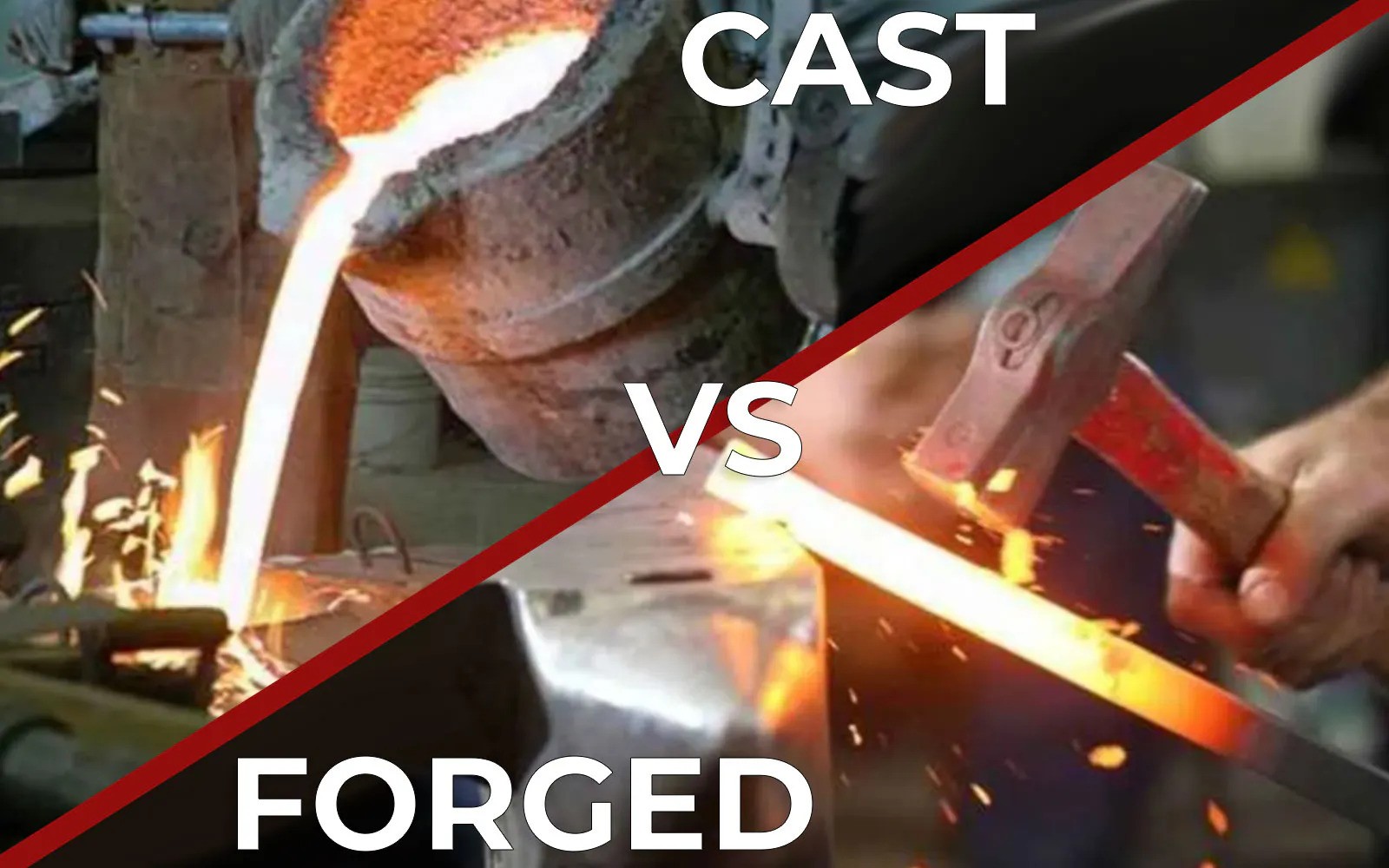
What is the Difference Between Casting & Forging?
2024-09-27
Both casting and forging are well-established metal forming techniques employed across various industries to manufacture components. Despite their popularity, these methods differ significantly, resulting in products with distinct attributes. As experts in metal forming and fabrication services, we aim to outline the differences between casting and forging. This explanation will guide you in selecting the most appropriate process for your specific project needs. Let's start by defining each process.

Forging Materials - Select the Best Metal for Your Part
2024-09-25
Forgings come in a variety of sizes, shapes, and complexities, but a critical choice is selecting the appropriate forging materials for specific uses. Potential materials include carbon steel, titanium, stainless steel, and high-temperature alloys with cobalt, nickel, or molybdenum.

What is the Difference Between Open Die & Closed Die Forgings?
2024-09-19
Open die forging offers greater flexibility for shaping complex parts in smaller quantities, while closed die forging is preferred for high-volume production of smaller components with precise dimensions and superior mechanical properties.

What is the manufacturing process of forgings?
2024-08-26
The manufacturing process of forgings involves several detailed steps, each crucial for producing high-quality forged components. Here is a more in-depth look at the key stages of the forging process:

The use of forgings in the aviation field
2024-08-26
In the aerospace industry, forgings play a vital role in the manufacturing of various critical components due to their superior mechanical properties, high strength, and reliability. Here are some specific applications of forgings in the aerospace sector: